
Budget Upgrades for Tasigur, the Golden Fang
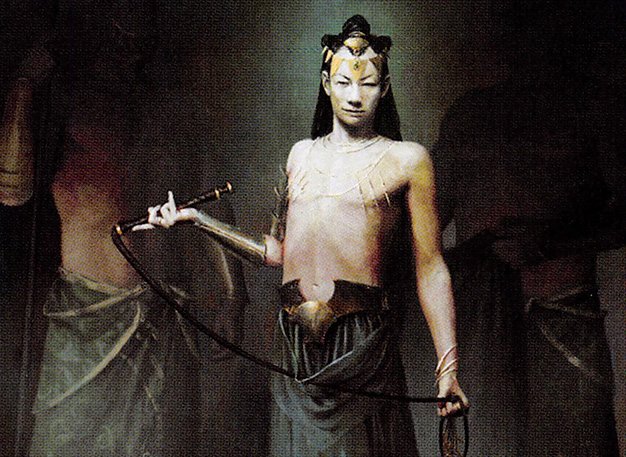
Try tools with this commander
Start here: Mulligan Simulator (fast) → then Cost to Finish (money) → Budget Swaps (savings)
Mulligan Simulator
Simulate keep rates for your opener
Cost to Finish
Estimate cost to complete your deck
Budget Swaps
Find cheaper alternatives
Browse Decks
Explore public Tasigur, the Golden Fang decks
No signup required to try tools.
Sultai control recursion
Upgrade Tasigur, the Golden Fang by making the core plan reliable before buying the flashy finishers.
Tasigur, the Golden Fang does not need random cheap cards. It needs budget upgrades that protect the commander plan, smooth the first three turns, and turn Tasigur's natural payoffs into repeatable pressure.
Start with the cards that make Tasigur function every game. The luxury cards are better once the shell already curves and protects itself.
Tasigur loses percentage points when the list drifts into cards that look powerful but do not support the commander turn.
Premium upgrades are best after mana, card flow, and protection are solved.
Budget Upgrade Packages for Tasigur, the Golden Fang
Use these as staged upgrades: consistency first, splash later.
Budget graveyard setup
Budget graveyard setup is the spend-first lane for Tasigur: it improves the deck's normal games before you chase luxury singles.
Cheap interaction
Cheap interaction is the spend-first lane for Tasigur: it improves the deck's normal games before you chase luxury singles.
Affordable mana
Affordable mana is the spend-first lane for Tasigur: it improves the deck's normal games before you chase luxury singles.
Premium upgrades
Premium upgrades is the spend-first lane for Tasigur: it improves the deck's normal games before you chase luxury singles.
Budget Upgrade Priority
Budget graveyard setup
and are the first cards to compare when tuning this lane for Tasigur.
Cheap interaction
and are the first cards to compare when tuning this lane for Tasigur.
Affordable mana
and are the first cards to compare when tuning this lane for Tasigur.
Premium upgrades
and are the first cards to compare when tuning this lane for Tasigur.
Best places to spend first
Sultai control/combo deck leveraging delve and political recursion. If you are upgrading in stages, fix the slots that show up every game before chasing high-end finishers.
Priority Order
- 1. Budget graveyard setup
- 2. Cheap interaction
- 3. Affordable mana
- 4. Premium upgrades
Protect These Themes
Easy Ways to Waste Budget
- - creature-heavy midrange
- - low instant density
Budget upgrades for Tasigur, the Golden Fang work best when they improve consistency first and card quality second while keeping the control, graveyard, and politics shell intact. Sultai control/combo deck leveraging delve and political recursion. Common misses include creature-heavy midrange and low instant density.
Upgrade the failures you notice most
The best budget upgrades for Tasigur, the Golden Fang start with whatever is losing games most often: shaky mana, weak card flow, poor interaction, or payoffs that never convert. Because Tasigur, the Golden Fang usually leans on control, graveyard, and politics, spend first on cards that make that engine show up more consistently. A practical order is 1. Budget graveyard setup, 2. Cheap interaction, 3. Affordable mana, and 4. Premium upgrades.
Mana base upgrades
For Tasigur, the Golden Fang, mana upgrades usually outperform flashy spell swaps until the deck stops stumbling. Look for lands and rocks that cast your setup on time, not just your late-game bombs. Budget untapped sources, signets, talismans, and role-player rocks are often the highest-value purchases because they improve every game, not only your best draws. Cost to Finish helps you see whether your next dollars should go into lands, ramp, or payoffs first.
Interaction and draw
Cheap interaction and reliable draw are where budget decks quietly gain a lot of win percentage. In Tasigur, the Golden Fang's shell, prefer answers and draw engines that still support the main plan instead of generic filler that only looks efficient. Common misses include creature-heavy midrange and low instant density. Budget swaps work best when you replace a card by role first and by price second.
Use swaps without weakening the deck
Paste your list into the budget swap tool and set a threshold that matches how you actually buy cards, such as every card over $5 or over $15. Then pressure-test each suggestion by asking whether it still advances Tasigur, the Golden Fang's plan and whether it keeps the same timing on your curve. That is the difference between saving money and quietly making the deck clunkier.
Once you know which slots are underperforming, use Cost to Finish to see your real spend and Budget Swaps to lower it without tearing apart the shell that makes Tasigur, the Golden Fang work.
Related commander guides
FAQ
- What are the best budget upgrades?
- Mana base, interaction, and card draw usually have the highest impact. Fix consistency first, then add power.
- How does the cost-to-finish calculator work?
- Paste a decklist and see the total cost. Subtract cards you own from a selected collection to get your true cost to finish.
- What is ManaTap's budget swap tool?
- It finds cheaper alternatives for expensive cards. Set a price threshold and get suggestions. Pro users get AI-powered swaps that maintain synergy.
- Should I upgrade lands or spells first?
- Lands improve consistency most. If you're stumbling on mana, prioritize lands. If you're stable, upgrade interaction and draw.
- Can I use budget swaps for any deck?
- Yes. Paste any decklist from Moxfield, Archidekt, or plain text. The tool works without an account.